

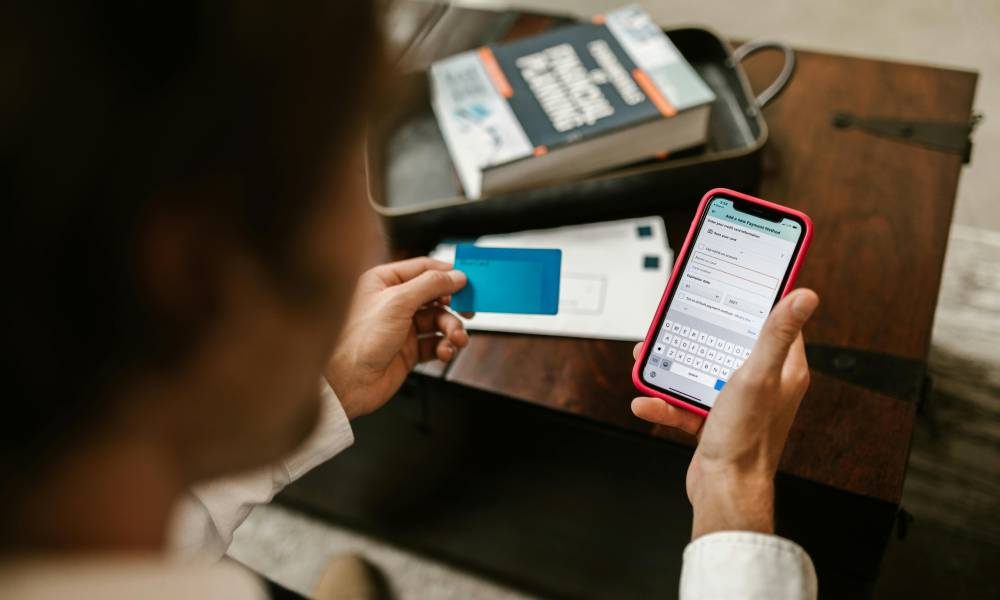
Why is choosing an online payment method strategic ?
Online payment directly influences the performance of an e-commerce site or marketplace. It impacts conversion, trust, and customer satisfaction.
A poorly designed online checkout process creates friction that leads to abandoned shopping carts and therefore lost revenue.
- To meet customers’ payment habits,
- Reducing barriers at the point of purchase,
- Increase the conversion rate,
- Secure the transactions,
- Comply with regulatory obligations.
Each target group has specific expectations : B2C customers prefer fast and simple payments, while B2B customers seek more flexibility, control and terms adapted to their financial constraints.
The main online payment methods
Offering solutions tailored to customer needs helps to secure and streamline the customer journey.
Here are the main online payment methods :
- Bank transfer : Bank transfer is preferred for B2B payments (invoice settlements) or large amounts. This online payment method allows for better control of cash flow, easier management of spending limits, and reduced transaction fees.
- Electronic wallets: digital wallets like Apple Pay, Google Pay or Paypal simplify online payment by limiting the entry of information. Wallets speed up the purchasing process and enhance security through integrated authentication.
- Bank transfer : Bank transfer is preferred for B2B payments (invoice settlements) or large amounts. This online payment method allows for better control of cash flow, easier management of spending limits, and reduced transaction fees.
- SEPA Direct Debit : Bank direct debit is suitable for subscriptions and recurring payments. It guarantees continuity of payments while offering simplified management for the customer.
- Pay by Bank: Pay by Bank allows the customer to pay directly from their bank account via secure authentication. This online payment method reduces costs, limits refusals and improves the conversion rate, especially for large amounts.
Offering multiple online payment methods allows us to meet the expectations of each customer profile and optimize sales performance.
Some additional payment options
Combined with traditional payment methods, they provide new possibilities to facilitate the user journey.
- Installment payment (BNPL) : Payment in installments improves accessibility to purchases. This online payment method promotes conversion and increases the average order value.
- Deferred payment : Deferred payment allows the customer to settle their purchase at a later date, offering more flexibility and facilitating the purchase decision, especially for large amounts.
- Card payment : Card payment allows recurring payments to be automated by debiting the customer’s card on the due date, without any action required from them, for simple and smooth subscription management.
- One-click : One-click payment allows the customer to finalize their purchase in a single click thanks to the prior registration of their information, thus reducing friction and accelerating conversion.
- Multi-card : Multi-card allows a customer to register and use several bank cards on the same account, offering more flexibility at the time of payment.
The best payment methods according to the business model
Offering the right payment methods depends directly on your business and your customers’ expectations.
Each model requires compatible payment methods to optimize conversion and flow management.
B2C e-commerce
Customers expect a quick and effortless payment process.
- Preferred payment methods : bank card, digital wallets and Pay by Bank.
- Attractive payment options : installment payments, deferred payment and one-click payment.
B2B Activities
Companies are looking for flexible and controlled payment solutions, both for traditional invoice settlement and B2B e-commerce.
- Accepted payment methods : bank transfer, SEPA direct debit and Pay by Bank
- Attractive payment options : deferred payment, payment in installments, multi-card.
Marketplace payment
Multi-vendor platforms must manage a B2B and B2C target audience and the proper allocation of funds.
- Compatible payment methods : bank card, digital wallets and Pay by Bank.
- Attractive payment options : BNPL, deferred payment and one-click.
Subscription or recurring services
The priority is on ensuring continuity of payment.
- Accepted payment methods : direct debit and bank card.
- Attractive payment options : one-click, card payment.
The role of a PSP in choosing online payment methods
A payment service provider (PSP) plays a key role in the choice of online payment methods by offering businesses solutions tailored to their activity and target audience. The PSP also guarantees a high level of payment security.
It centralizes different means of payment, secures transactions through data encryption, strong authentication and anti-fraud devices, and supports B2C and B2B uses.
This approach enables the activation of reliable online payment methods to optimize the customer journey.
CentralPay supports B2C and B2B companies in choosing and securing online payment methods, in order to offer a reliable, compliant and tailored payment journey for your business.